15 Facts You Need to Know When Hiring a Plumber for New Homes
When moving into a new home, plumbing is one of the most critical systems to address early. From ensuring clean water flow to preventing leaks that can cause costly damage, the importance of hiring a skilled plumber cannot be overstated. While DIY solutions may seem tempting, the complexities of modern plumbing systems demand professional expertise. Understanding the essential factors when selecting a plumber will save time, money, and stress in the long run. Here are the key facts every homeowner should know before bringing a plumber into their new home.
1. Assess Experience With New Home Plumbing
Plumbing in new homes often involves different challenges than repairs in older properties. New construction may include modern piping materials, high-efficiency fixtures, and complex water filtration systems. A plumber with experience in new-home projects will be familiar with blueprints, code requirements, and the unique demands of freshly installed systems. This expertise ensures installations are accurate and future-proof, preventing issues that could arise from improper setup.
2. Evaluate Reputation and References
A strong reputation is a reliable indicator of a plumber's professionalism and skill. Ask for references from previous clients, particularly those who hired the plumber for new-home projects. Reading online reviews can provide insights into punctuality, communication, and quality of work. A plumber with a proven track record is more likely to provide dependable service, helping you avoid common headaches like missed appointments or incomplete work.
3. Understand Pricing and Estimates
Clear, transparent pricing is essential when hiring a plumber. Reputable plumbers provide detailed estimates that outline labor, materials, and any potential additional costs. Avoid plumbers who offer unusually low rates, as this may indicate shortcuts, substandard materials, or lack of proper experience. While cost is important, prioritizing quality and reliability over the lowest price ensures your plumbing system is properly installed and maintained for years to come.
4. Recognize the Importance of Preventive Maintenance
Hiring a plumber isn't just about addressing immediate issues—it's also about preventing future problems. Regular inspections and maintenance help identify leaks, clogs, and inefficiencies before they escalate into costly repairs. According to the EPA, the average family can waste up to 180 gallons of water each week, totaling 9,400 gallons annually, due to household leaks. Professional plumbers can spot hidden leaks and optimize your plumbing system, saving water, reducing bills, and protecting your home from water damage.
5. Verify Knowledge of Local Codes and Permits
Plumbing regulations vary by location, and compliance is mandatory in new homes. A qualified plumber understands local building codes, permitting requirements, and inspection processes. This knowledge ensures that your plumbing installations are legal, safe, and up to standard. Hiring a professional prevents potential fines or complications when selling your home in the future, giving you peace of mind that everything is properly documented and approved.
6. Assess Communication and Customer Service
Strong communication skills are essential when working with a plumber. You want someone who explains the work clearly, answers questions, and provides guidance on maintenance. Good customer service also indicates professionalism and reliability. A plumber who communicates effectively will make the process smoother, keep you informed about timelines and costs, and ensure your expectations are met.
7. Consider Availability and Emergency Support
Plumbing issues don't always follow a schedule. While proactive maintenance is ideal, emergencies can occur at any time. Choosing a plumber who offers emergency services or flexible scheduling ensures you won't be left without assistance during critical moments. Prompt response times can minimize damage and reduce repair costs, making professional availability a crucial factor for new homeowners.
8. Prioritize Quality Materials and Techniques
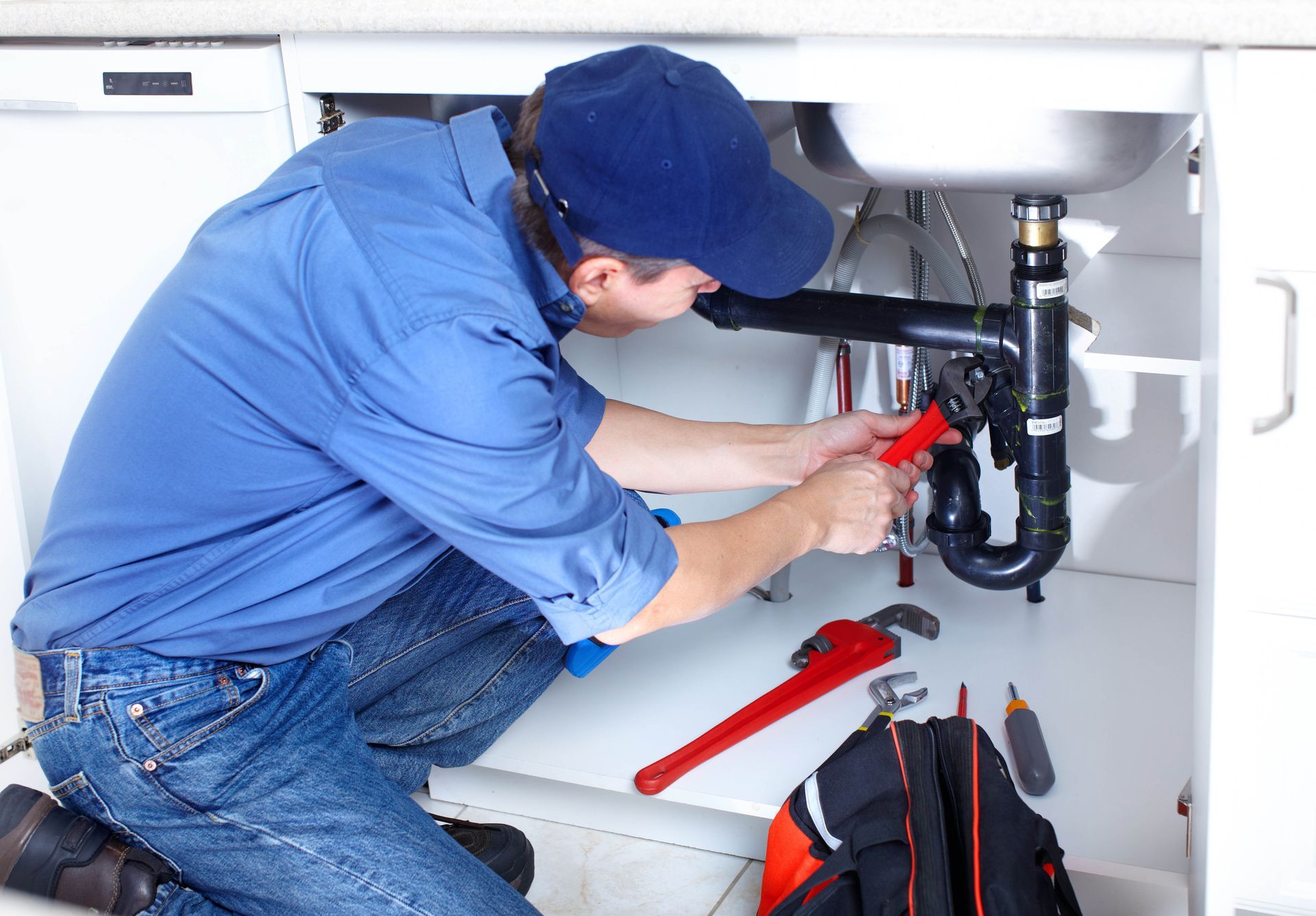
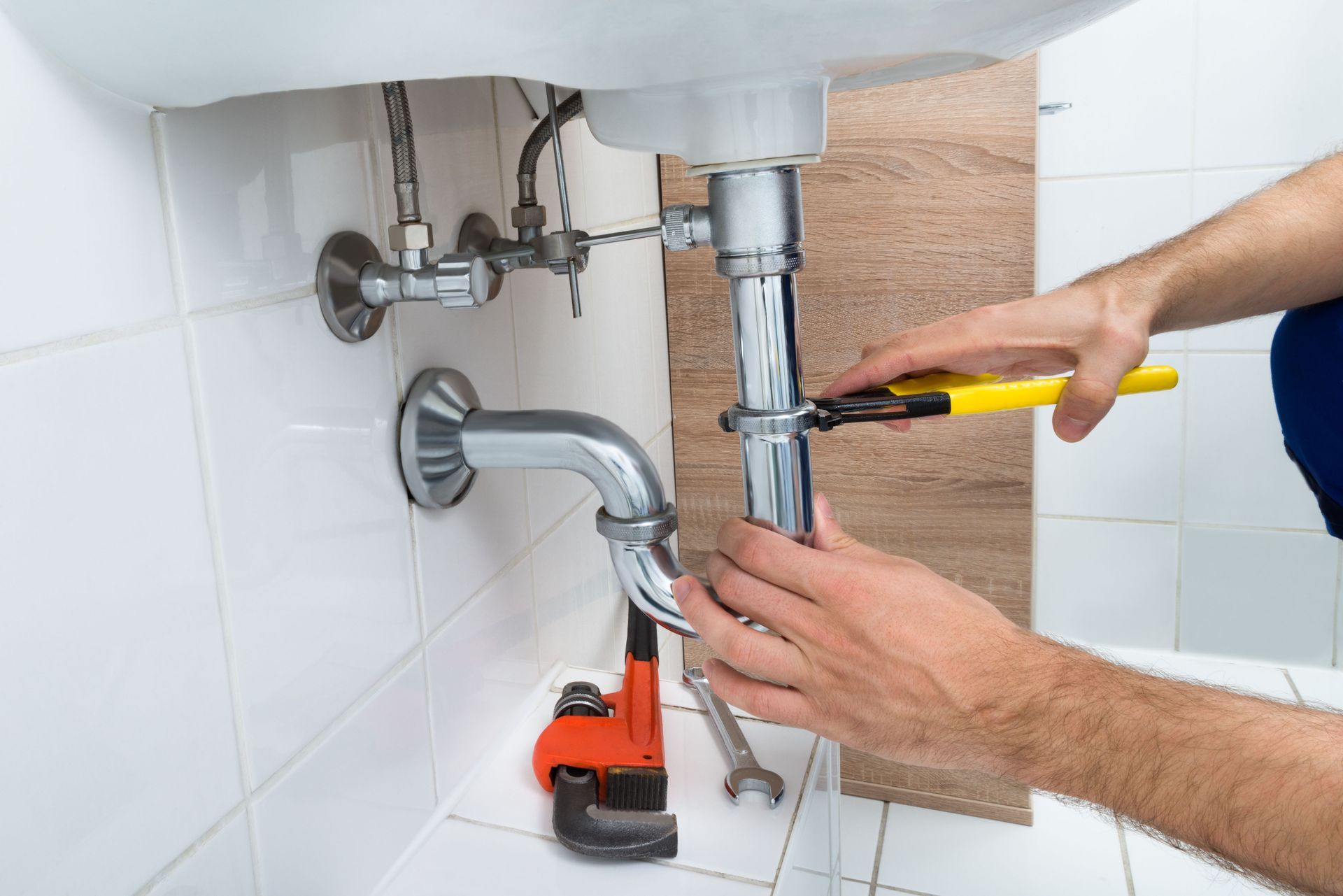
The materials and techniques used by your plumber directly impact the longevity and efficiency of your plumbing system. Professionals use high-quality pipes, fittings, and fixtures that meet safety and durability standards. Cutting corners with substandard materials or improper techniques may lead to leaks, corrosion, or frequent repairs. A professional plumber invests in the right tools and parts to ensure lasting performance and reliability.
9. Understand the Risks of DIY Plumbing
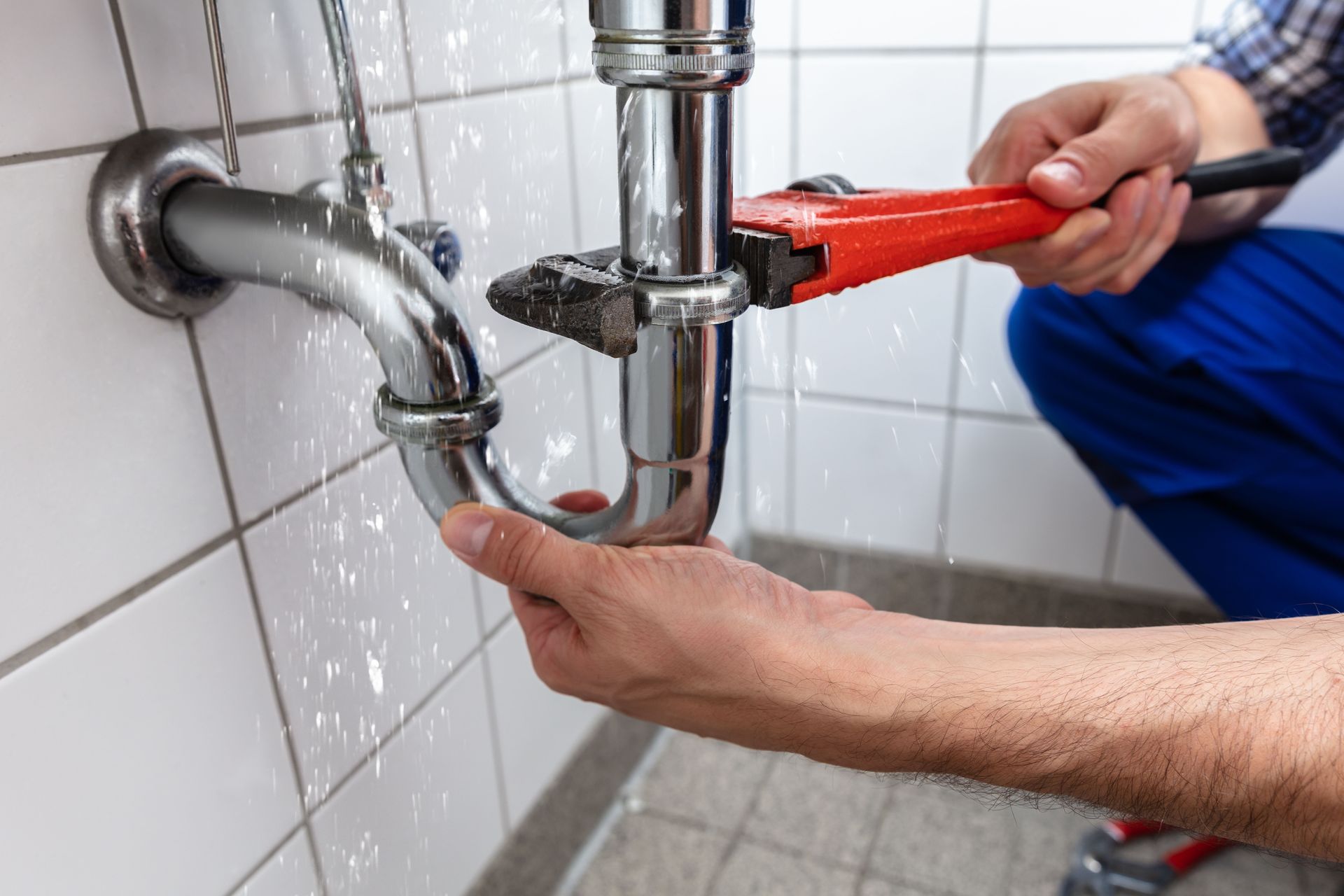
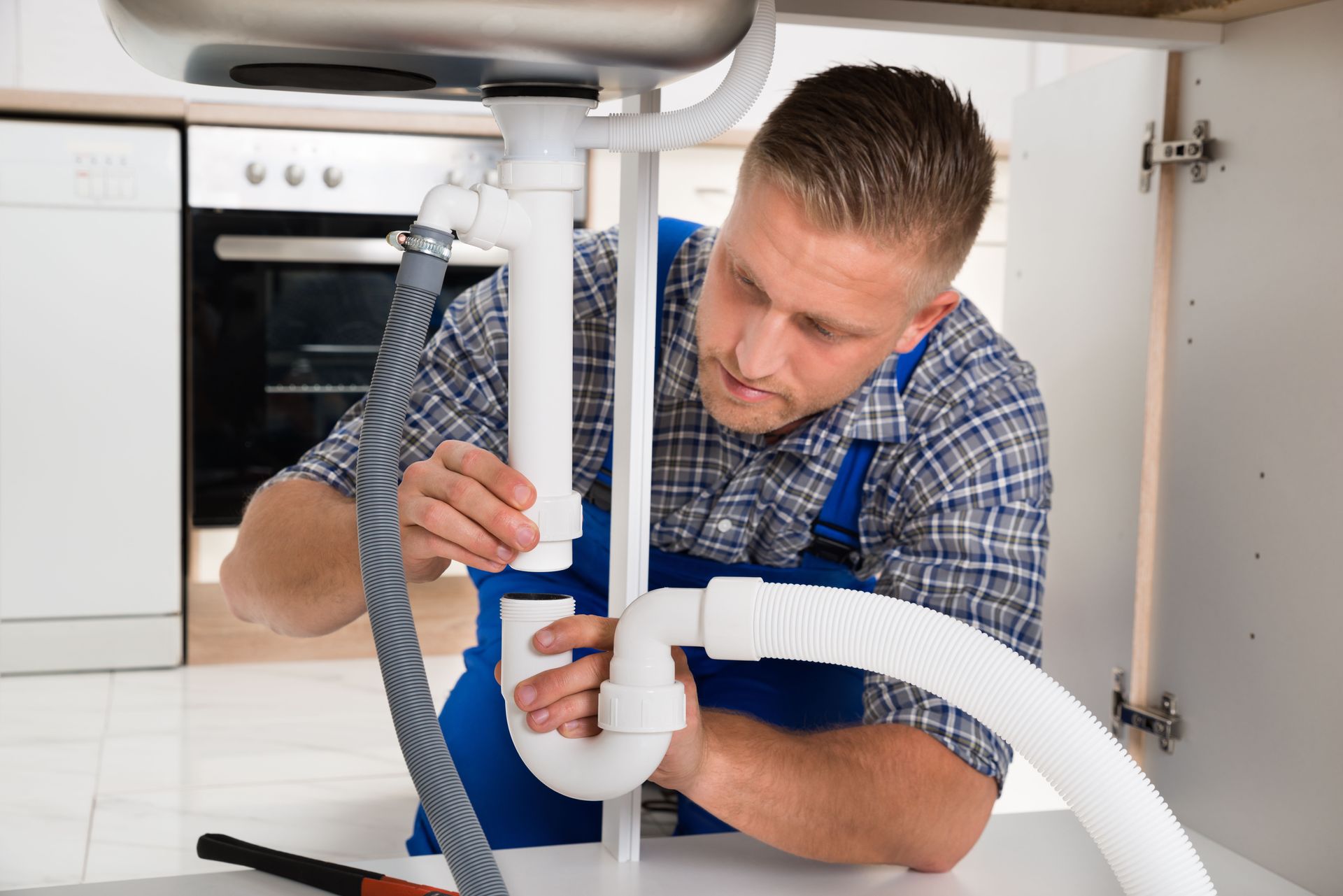
While online tutorials and DIY guides can be tempting, plumbing mistakes can have serious consequences. Improper installations, overlooked leaks, or incorrect pipe connections can lead to extensive water damage, mold growth, or structural issues. DIY work often voids warranties or insurance coverage, leaving homeowners responsible for repairs. Hiring a professional ensures the work is done correctly the first time, safeguarding both your home and your investment.
10. Check Compatibility With Your Plumbing Systems
New homes may include a combination of traditional and modern plumbing technologies, such as PEX piping, tankless water heaters, or water filtration units. Ensuring your plumber is familiar with these systems reduces the risk of installation errors and future maintenance headaches. A professional with broad system knowledge can advise on compatibility, proper installation, and efficiency, protecting your home's plumbing integrity.
11. Consider Long-Term Relationships
Building a relationship with a trusted plumber can simplify ongoing home maintenance. Regular service contracts, routine inspections, and quick response for unexpected issues become more manageable when you have a reliable professional. This relationship fosters familiarity with your home's plumbing system, leading to faster diagnostics, better recommendations, and peace of mind that you have a partner invested in the longevity of your property.
12. Emphasize Water Efficiency and Sustainability
Modern plumbing systems often include water-saving fixtures and sustainable solutions. A skilled plumber can recommend and install high-efficiency toilets, low-flow showerheads, and leak-prevention devices. These upgrades not only conserve water but also reduce utility costs and environmental impact. Working with a professional ensures that these improvements are installed correctly and function as intended, maximizing their benefits over time.
13. Verify Technology and Tools Competence
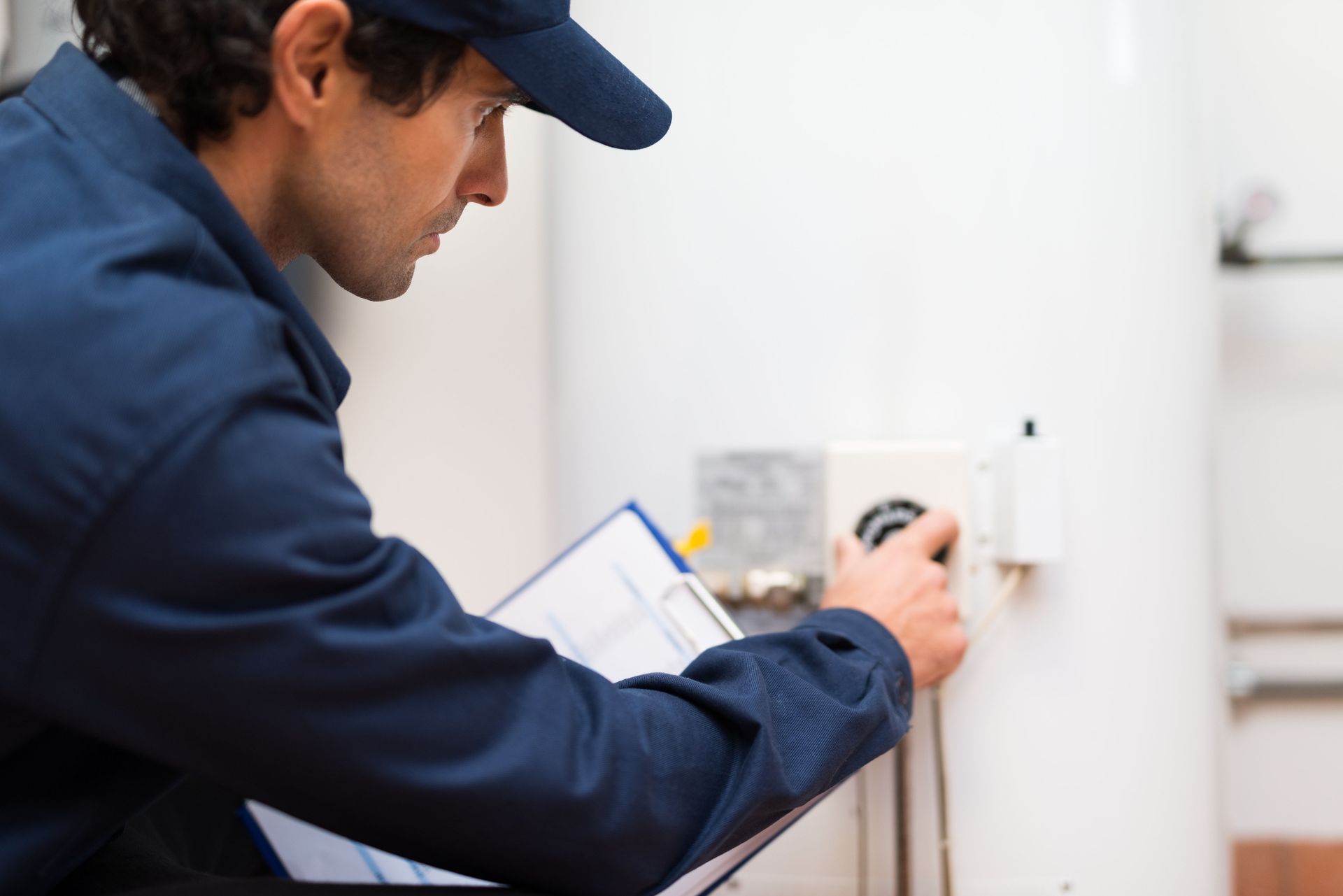
Technology is increasingly integrated into plumbing systems, from tankless water heaters to smart leak detectors. A knowledgeable plumber stays current with new tools, techniques, and diagnostic equipment. Using advanced technology improves accuracy, reduces installation time, and prevents errors. Choosing a plumber who embraces modern tools ensures your new home benefits from the latest innovations in efficiency and reliability.
14. Understand the Scope of Services
Not all plumbers offer the same range of services. When hiring a professional for a new home, clarify the types of work they handle, from fixture installation to complex pipe routing and water filtration systems. Knowing the scope of services upfront prevents misunderstandings and ensures that all your plumbing needs can be met without having to hire multiple contractors, saving both time and stress.
15. Highlight the Importance of Proper Drainage and Venting
Effective drainage and venting are critical for preventing clogs, slow drains, and sewer gas buildup in a new home. A professional plumber ensures that pipes are correctly sloped, vented, and sized according to local codes and the home's layout. Improper drainage can lead to recurring blockages, water damage, and even structural issues over time. By hiring a plumber experienced in new construction, you gain confidence that the system will function efficiently, reduce maintenance headaches, and protect your home's health. Proper installation from the start is far more reliable than attempting DIY fixes after problems arise.
Hiring a plumber for a new home is an investment in safety, efficiency, and long-term home value. From assessing experience and system compatibility to emphasizing preventive maintenance and water efficiency, each decision impacts the durability of your plumbing system. While DIY approaches may seem tempting, professional expertise minimizes risk, protects your home, and maximizes efficiency. At APK Plumbing Inc, we are committed to providing high-quality plumbing services for new homeowners. Partner with us to ensure your plumbing is installed and maintained correctly from day one, giving you confidence, comfort, and peace of mind.

Share On: