
4 Essential Signs You Need Plumber
Plumbing problems often begin with small, easy-to-miss warning signs. A slow drip, a faint stain, or a brief change in water pressure may not seem urgent at first, but these symptoms can point to leaks, blockages, damaged pipes, or failing fixtures. When plumbing concerns are ignored, moisture can spread into walls, floors, cabinets, and ceilings. The result may be higher utility costs, mold growth, damaged materials, and repairs that are far more extensive than the original issue.
Homeowners do not need to understand every component of a plumbing system to recognize when something is wrong. Paying attention to changes in water flow, drainage, odors, monthly bills, and visible surfaces can help you respond before a minor concern turns into an emergency. In many situations, contacting a plumber early is the most practical way to protect the home, reduce water waste, and restore normal function. The following signs explain when professional assistance may be necessary and why prompt action matters.
1. Persistent Dripping Faucets
Identifying the Source of the Drip
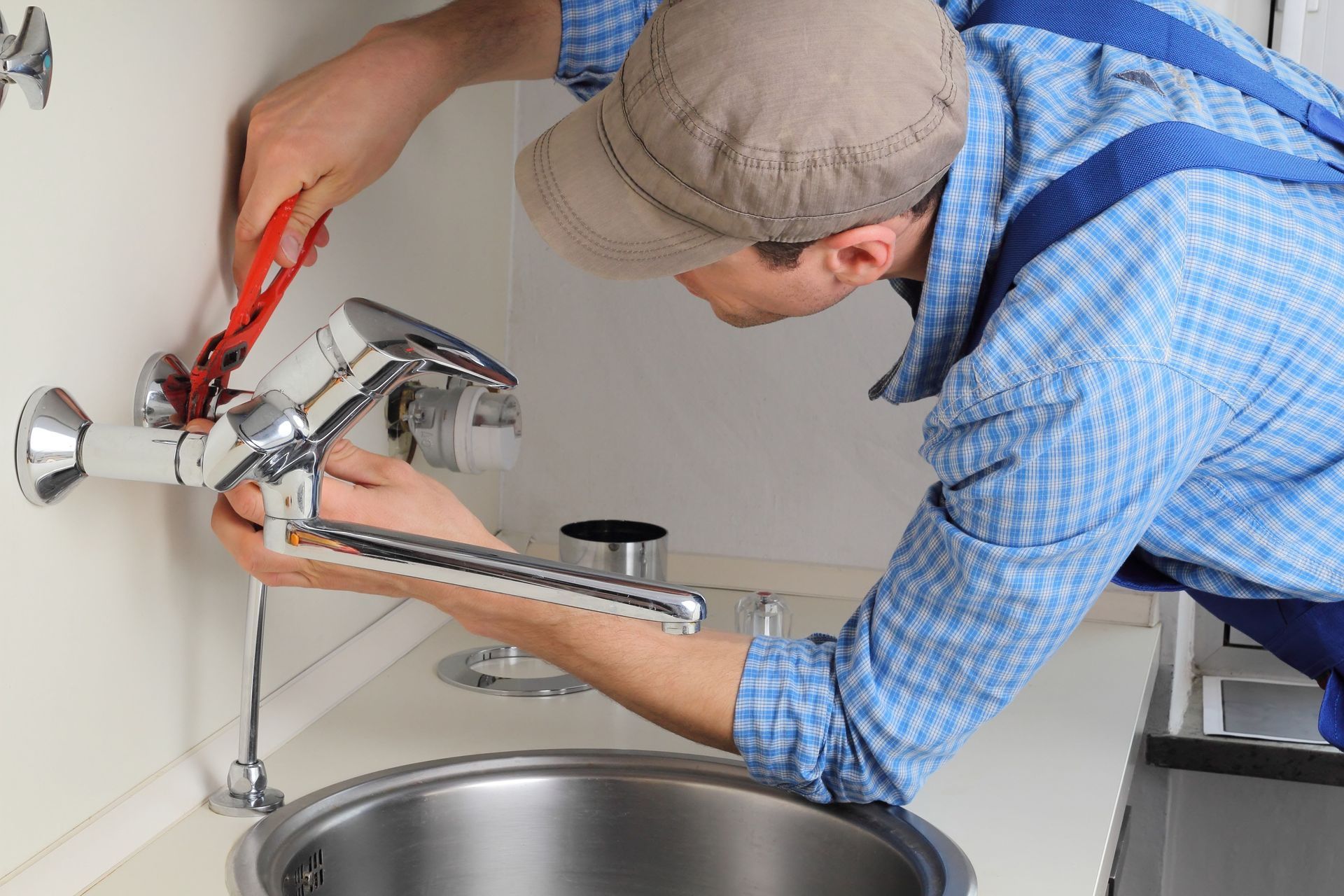
A dripping faucet is one of the most familiar household plumbing problems, yet it should not be dismissed as a harmless annoyance. The cause may be a worn washer, damaged cartridge, loose component, corroded valve seat, or improper installation. Water pressure that is too high can also place added strain on internal faucet parts. Although the visible symptom is simple, the exact repair depends on the faucet design and the condition of the surrounding connections.
The Cost of Leaving a Faucet Unrepaired
Even a slow, steady drip can waste a considerable amount of water over time. That wasted water appears on monthly utility bills and places unnecessary demand on household resources. Constant moisture may also stain the sink, encourage mineral buildup, damage finishes, and create damp conditions around cabinets or countertops. If the leak begins to spread beneath the fixture, hidden materials may deteriorate before the homeowner notices a larger problem.
Knowing When a Basic Repair Is Not Enough
Replacing a washer or tightening a loose handle may resolve a minor faucet issue, but repeated dripping suggests that the problem is more complex. Corroded components, cracked fittings, or pressure irregularities often require a more detailed inspection. A licensed plumber can determine whether the faucet can be repaired or whether replacement would provide a more dependable result. Professional service is especially important when several fixtures begin dripping at the same time.
2. Slow or Frequently Clogged Drains
Common Causes of Poor Drainage
Slow drainage in a sink, shower, bathtub, or floor drain usually means that material is restricting the pipe. Hair, soap residue, food particles, grease, mineral deposits, and other debris can collect gradually until water can no longer move freely. A single slow drain may indicate a localized clog, while several affected fixtures may point to a larger obstruction deeper in the plumbing system.
Why Temporary Fixes May Not Last
Plungers, small drain snakes, and natural cleaning mixtures may provide temporary relief for minor buildup. However, these methods often remove only part of the obstruction. Chemical drain cleaners can also damage certain pipes when used repeatedly or incorrectly. If water begins draining slowly again soon after treatment, the blockage may be larger, farther down the line, or connected to a damaged pipe that requires professional attention.
Warning Signs of a Main Line Problem
Multiple slow drains, bubbling toilets, gurgling sounds, sewage odors, and water backing up into lower fixtures are signs that the problem may involve the main sewer line. These symptoms should be addressed promptly because wastewater may eventually enter the home. A plumber can use specialized equipment to locate the obstruction, evaluate the pipe, and determine whether cleaning, repair, or replacement is necessary.
3. Low or Inconsistent Water Pressure
Recognizing Changes in Water Flow
Low water pressure can make routine activities such as showering, washing dishes, cleaning, and doing laundry less efficient. The problem may affect one fixture, one room, or the entire home. A clogged aerator or showerhead can reduce flow at a single location, but widespread pressure loss may indicate leaking pipes, corrosion, a faulty pressure regulator, mineral accumulation, or a problem with the incoming water supply.
Checking Simple Fixture-Related Causes
Homeowners can begin by comparing water flow at several faucets and testing both hot and cold water. If only one fixture is affected, cleaning the aerator or showerhead may help. When hot water pressure is weak throughout the home, the water heater or related piping may be involved. If pressure drops suddenly or fluctuates without explanation, the system should be evaluated before the condition becomes more disruptive.
Hidden Leaks and Deteriorating Pipes
A hidden leak can reduce water pressure while allowing moisture to collect behind walls, beneath floors, or underground. Older galvanized pipes may also corrode internally, narrowing the path available for water. These conditions are difficult to diagnose without proper equipment. A plumber can test the pressure, inspect accessible piping, and look for signs of leakage or restriction without relying solely on visible symptoms.
Choosing a Lasting Solution
Cleaning a fixture may resolve a small blockage, but systemwide pressure problems often require repairs to valves, regulators, supply lines, or corroded piping. A professional diagnosis helps prevent unnecessary replacement of fixtures that are not causing the issue. By identifying the actual source, a plumber can recommend a repair that addresses both current symptoms and the risk of future damage.
4. An Unexplained Increase in Water Bills
Comparing Usage With Household Habits
A higher water bill does not always indicate a plumbing failure. Seasonal irrigation, additional guests, new appliances, or changes in daily routines may increase consumption. However, when household habits remain the same and the bill rises noticeably, a hidden leak should be considered. Reviewing several months of statements can help reveal whether the increase is gradual, sudden, or part of a recurring pattern.
Testing for Possible Water Loss
One basic test is to turn off faucets, appliances, irrigation equipment, and other water-using devices, then observe the water meter. Movement while no water is intentionally being used may indicate a leak. Toilets are another common source of hidden water loss because a failing flapper or fill valve can allow water to run continuously without making much noise. Outdoor lines, crawl spaces, and pipes inside walls may also leak without producing an obvious puddle.
The Importance of Early Detection
According to Contractor, 49% of homeowners rank plumbing and water pipe failures as their top emergency concern, underscoring the importance of identifying problems early. A small leak may waste water for weeks before visible damage appears. During that time, moisture can weaken drywall, stain ceilings, damage flooring, or create conditions that support mold growth. Prompt investigation can limit both water loss and the cost of restoring affected areas.
Finding Leaks That Are Difficult to See
Professional leak detection may involve pressure testing, moisture meters, acoustic equipment, infrared imaging, or inspection of isolated plumbing zones. These methods help narrow down the location of a leak without opening large areas of finished walls or flooring unnecessarily. A plumber can then recommend a targeted repair based on the pipe material, accessibility, and severity of the damage.
Plumbing problems rarely improve without attention. Persistent drips, slow drains, poor water pressure, rising bills, unpleasant odors, and visible water damage all indicate that part of the system may not be functioning correctly. Responding early can reduce water waste, protect finished surfaces, prevent mold, and keep repair costs from growing. Homeowners should monitor changes carefully and avoid relying on temporary fixes when symptoms return.
A plumber may also recommend practical maintenance steps based on the age, material, and condition of the system. Following that guidance can improve reliability, reduce avoidable wear, and give homeowners a clearer understanding of which warning signs require immediate attention.
A qualified plumber can diagnose the underlying cause, explain the available repair options, and complete the work with the proper tools and materials. Routine inspections and timely maintenance also help identify aging parts before they fail unexpectedly. By treating warning signs seriously and arranging professional service when needed, homeowners can protect the safety, efficiency, and long-term condition of their property. Call APK Plumbing Inc today to get started with our services.

Share On: